

What does it mean to grow up afraid, and to have that fear become so familiar it stops feeling like fear at all? That question sits at the heart of Fearful in Gaza, published by Vita, the biography and memoir imprint of Casa Carlini, and it's precisely what draws Dr. Emad Moussa to the book in his recent review for The New Arab.
Dr. Moussa is not a detached observer. A Palestinian-British researcher whose work focuses on the political psychology of conflict, particularly in the MENA region and Israel/Palestine, he is also a human rights advocate, journalist, and think tank consultant. He reads Fearful in Gaza the way someone reads a book that knows something they know: with recognition, and with rigor.
His review zeroes in on the memoir's structural core, two voices, "the Son" and "the Mother," in conversation across time, and on what author Abdalhadi Alijla does with that architecture. This is not a book about Gaza as a backdrop or symbol. It's about a family. About the specific weight of specific days. About how people build a life inside conditions designed to make life impossible, and how that building, patient, stubborn, ordinary, is itself a form of survival.
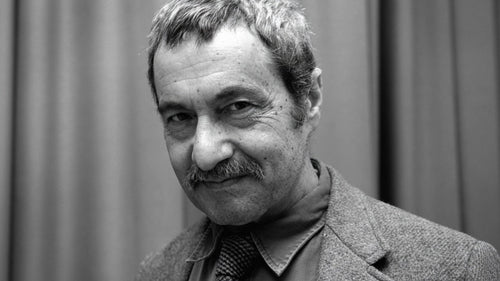
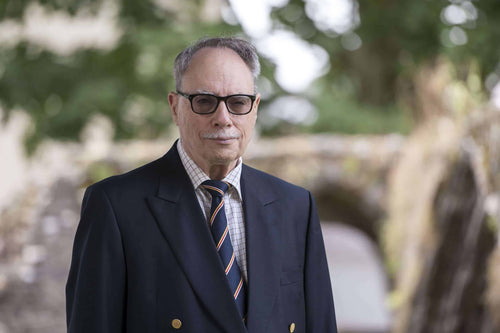
 Abdalhadi Alijla
What makes Dr. Moussa's reading particularly valuable is his ability to move between the personal and the political without flattening either. He understands that memoir operates on multiple registers at once, and that Alijla's account of childhood in Gaza is not just one family's story but a record of something larger: the psychological toll of a conflict measured not only in headlines and casualty figures, but in the interior lives of the people living through it, year after year, generation after generation.
Dr. Moussa sees all of this, and his review is sharper for it.
Read his full piece at The New Arab: https://www.newarab.com/features/fearful-gaza-childhood-memory-and-survival-strip
0 comments