

Albert Camus has become shorthand for a certain mood and moral temperature: the clear, almost blinding light of North Africa; the stubborn refusal to lie about the human condition; the conviction that, even in a world without transcendental meaning, our responses still matter. He rejected the label “existentialist,” but his fiction and essays are inseparable from the twentieth century’s struggle to live honestly amid absurdity, injustice, and political catastrophe. If you’re looking for the best books by Albert Camus, or for Albert Camus book recommendations that capture his range—from parable‑like novels to philosophical essays and political reflections—these five titles form a powerful core.
They are also ideal for readers searching for books like Camus more broadly: works that are philosophically serious without being obscure, emotionally intense without being sentimental, and written in prose that feels as clear and bracing as cold water.
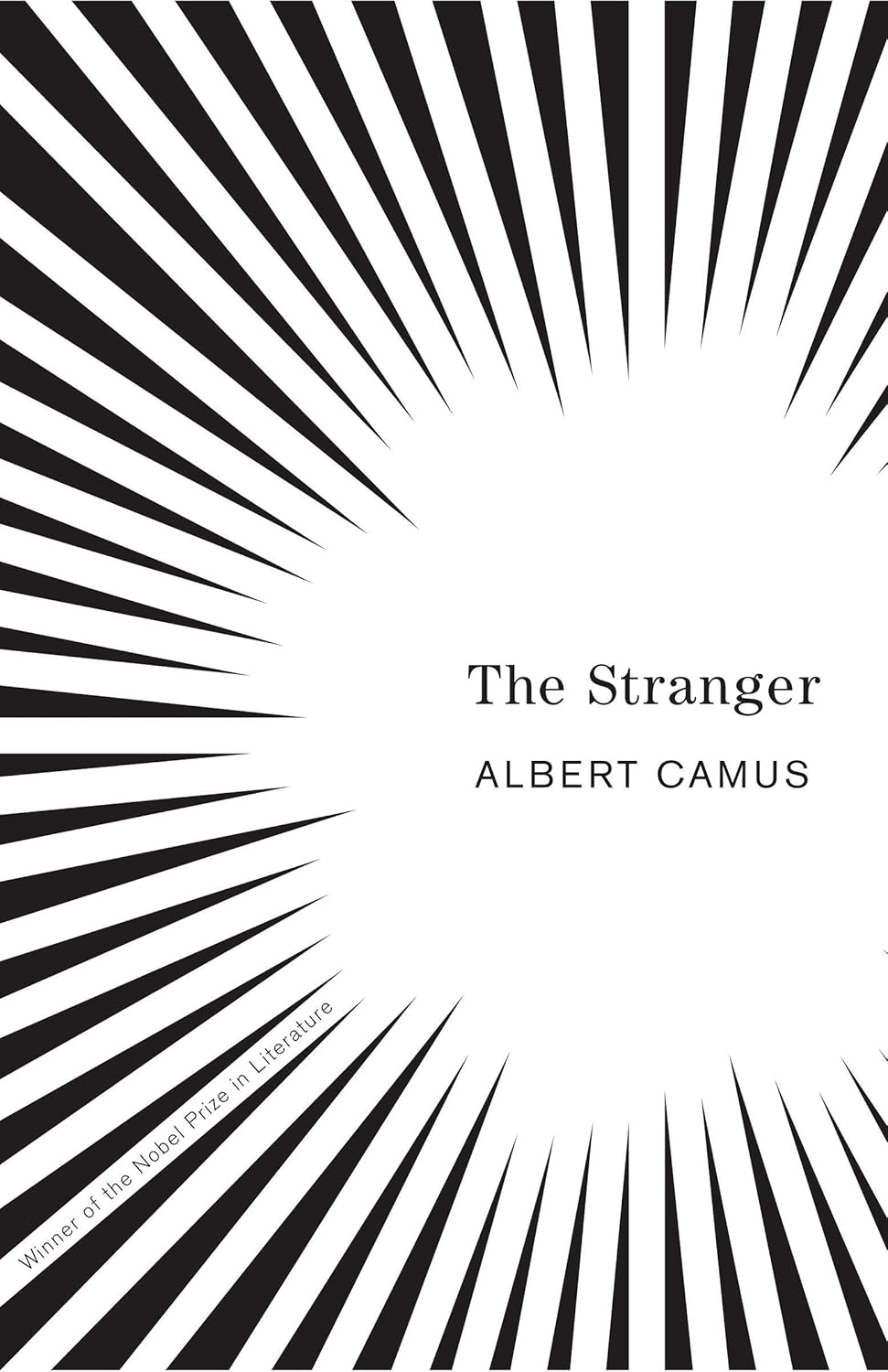
1. The Stranger (L’Étranger)
If one book made Camus an icon, it is The Stranger. The novel begins with one of the most famous openings in modern literature—“Mother died today”—and proceeds to trace the fate of Meursault, a detached, seemingly indifferent clerk in Algiers who commits an inexplicable act of violence on a sun‑drenched beach. The plot is slim, but the experience is vertiginous: Camus uses Meursault’s flat, affectless narration to expose the expectations society has about how we should feel, speak, and grieve.
As a portrait of the absurd, The Stranger remains unmatched. Meursault is condemned less for what he has done than for his refusal to participate in conventional fictions about remorse, religion, and meaning. For readers exploring the best books by Albert Camus, this is non‑negotiable: the quintessential “must‑read” that encapsulates his concern with the gap between the world’s silence and our hunger for sense. And for anyone drawn to literary classics that can be read in a single sitting yet argued about for a lifetime, The Stranger is the perfect starting point.
2. The Myth of Sisyphus
If The Stranger is Camus’s most famous novel, The Myth of Sisyphus is the key to his philosophical project. Written during the Second World War, this essay confronts what Camus calls the “only truly serious philosophical problem”: whether life is worth living in a world that appears indifferent to our hopes and efforts. Beginning from the experience of absurdity—the clash between our need for clarity and the world’s unreason—Camus rejects both suicide and philosophical escape routes that smuggle in meaning through the back door.
Instead, he offers the figure of Sisyphus, condemned to roll his rock up the hill forever, as a paradoxical emblem of freedom. To imagine Sisyphus happy is to imagine a human being fully aware of the absurd, yet committed to the struggle, the revolt, the lucid joy that comes from refusing to surrender. For readers who want to move beyond Camus’s fiction into his thought, The Myth of Sisyphus is an essential Albert Camus book recommendation. It clarifies why his work resonates so strongly with those who feel the dissonance between modern life and inherited systems of meaning.
3. The Plague (La Peste)
Where The Stranger is brief and sharp, The Plague is expansive and communal. Set in the Algerian city of Oran, sealed off by an outbreak of bubonic plague, the novel follows a cast of characters—a doctor, a priest, a journalist, a civil servant—who must decide how to respond as death becomes routine. The plague is at once a concrete catastrophe and a metaphor for the spread of fascism and totalitarianism; the book was written in the shadow of the Nazi occupation and the French Resistance.
The genius of The Plague lies in how it transforms absurdism into ethics. Camus does not offer transcendent consolations, but he does offer solidarity, decency, and the stubborn choice to care for others even when there is no cosmic reward. For readers looking for books like Camus that address collective crisis, public health, and moral responsibility under pressure, this novel feels uncannily contemporary. It belongs on any list of must‑read books from the twentieth century, and it shows why Camus is not merely an apostle of nihilism but a thinker of measured, humane resistance.
4. The Fall (La Chute)
If you want to see Camus at his most psychologically intricate and corrosively ironic, turn to The Fall. The novel takes the form of a monologue delivered by Jean‑Baptiste Clamence, a former Parisian lawyer now living in Amsterdam. Over the course of a series of late‑night conversations in seedy bars along the canals, he offers a “confession” that is also an indictment of his listener—and, by extension, of the reader and modern bourgeois conscience.
The Fall explores guilt, self‑deception, and the subtle pleasures of moral superiority. Clamence is brilliant, charming, and deeply unreliable; as he strips away his own alibis, he implicates us in the same evasions. This is Camus as moral psychologist, probing the ways we talk ourselves into comfort while claiming to care about justice. For those already familiar with his more straightforward parables of absurdity, The Fall is a darker, knottier Albert Camus book recommendation—perfect if you enjoy literary classics that feel like a philosophical interrogation disguised as a noir confessional.
5. The Rebel (L’Homme révolté)
To understand Camus as a political and ethical thinker, The Rebel is indispensable. This wide‑ranging essay examines the figure of the rebel—the individual who says “no” to oppression or injustice—and traces how rebellion can either remain faithful to its initial demand for dignity or degenerate into fanaticism and tyranny. Camus moves from metaphysical rebellion to historical revolutions, grappling with the legacy of the French Revolution, Russian nihilism, Marxism, and the totalitarianisms of the twentieth century.
The Rebel was controversial when it appeared, not least because it marked Camus’s break with Sartre and parts of the French left over the question of whether ends justify means. For readers exploring the best books by Albert Camus, it offers a crucial counterweight to the more abstract treatment of absurdity in The Myth of Sisyphus. Here, the problem is not just how to live in an absurd universe, but how to resist injustice without betraying the very values that made rebellion necessary. It’s an essential recommendation for anyone seeking books like Camus that wrestle, honestly and unsentimentally, with the ethics of revolution and violence.
Camus’s clear, humane intensity
Across these five works—The Stranger, The Myth of Sisyphus, The Plague, The Fall, and The Rebel—Albert Camus emerges as more than a slogan about existentialism or a shorthand for black turtlenecks and cigarettes. He is a writer who insists on clarity where others accept obscurity, on honesty where others prefer consoling stories, and on a kind of modest heroism rooted not in grand gestures but in daily acts of refusal and care.
For readers assembling a shelf of the best books by Albert Camus, these titles trace a full arc: from the solitary confrontation with absurdity to the ethical demands of community and revolt, from the sun‑stunned streets of Algiers to the foggy canals of Amsterdam and the battlefields of history. If you’re drawn to must‑read books and literary classics that leave you more awake to your own life, these Camus volumes—and the many books like Camus that echo them—belong within arm’s reach, ideally in physical editions that invite rereading, annotation, and quiet, ongoing argument.
Recommended Reading


0 comments