

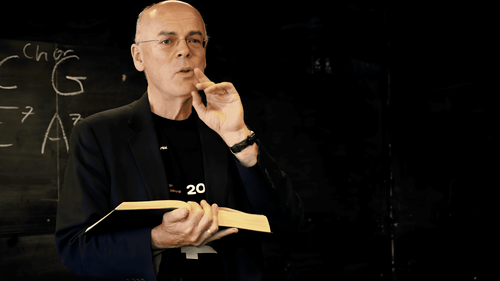
A pioneering figure in Australian psychology and renowned historian of neuroscience, Malcolm Macmillan passed away on August 11, 2024, at the Royal Melbourne Hospital, leaving behind a legacy that will continue to shape the fields he dedicated his life to. Born in Perth on January 1, 1929, Macmillan’s career in psychology spanned decades, beginning as a founding member of the Department of Psychology at Monash University. His distinguished work continued through his retirement, as he held appointments at Deakin University and later as a Professorial Fellow at the University of Melbourne.
Macmillan’s influence extended globally—he served as President of the Australian Psychological Society from 1983 to 1984 and later as President of the International Society for the History of Neuroscience in 2005. His impact reached beyond traditional psychology; he left a significant mark on the history of neuroscience, especially through his work on brain function localization and critical examinations of psychoanalysis. His notable books, Freud Evaluated: The Completed Arc and An Odd Kind of Fame: Stories of Phineas Gage (both published by MIT Press), are widely regarded as landmark contributions, blending rigorous historical scholarship with psychological insight.
In 2012, we had the honor of interviewing Macmillan about Freud and psychoanalysis, topics he studied with unparalleled depth and historical perspective. His reflections in this interview shed light on Freud’s legacy, revealing both the enduring influence and limitations of psychoanalytic theory. You can read the interview here: It’s Not All in the Mind: Malcolm Macmillan Analyzes Freudian Slips.
Through his research, Macmillan exemplified the power of curiosity and intellectual rigor. His critical eye, combined with a passion for uncovering the truths within psychology’s history, inspired a generation of scholars and clinicians. Macmillan’s legacy serves as a guiding light, encouraging future psychologists, historians, and neuroscientists to explore the mind’s complexities with both openness and skepticism.

0 comments